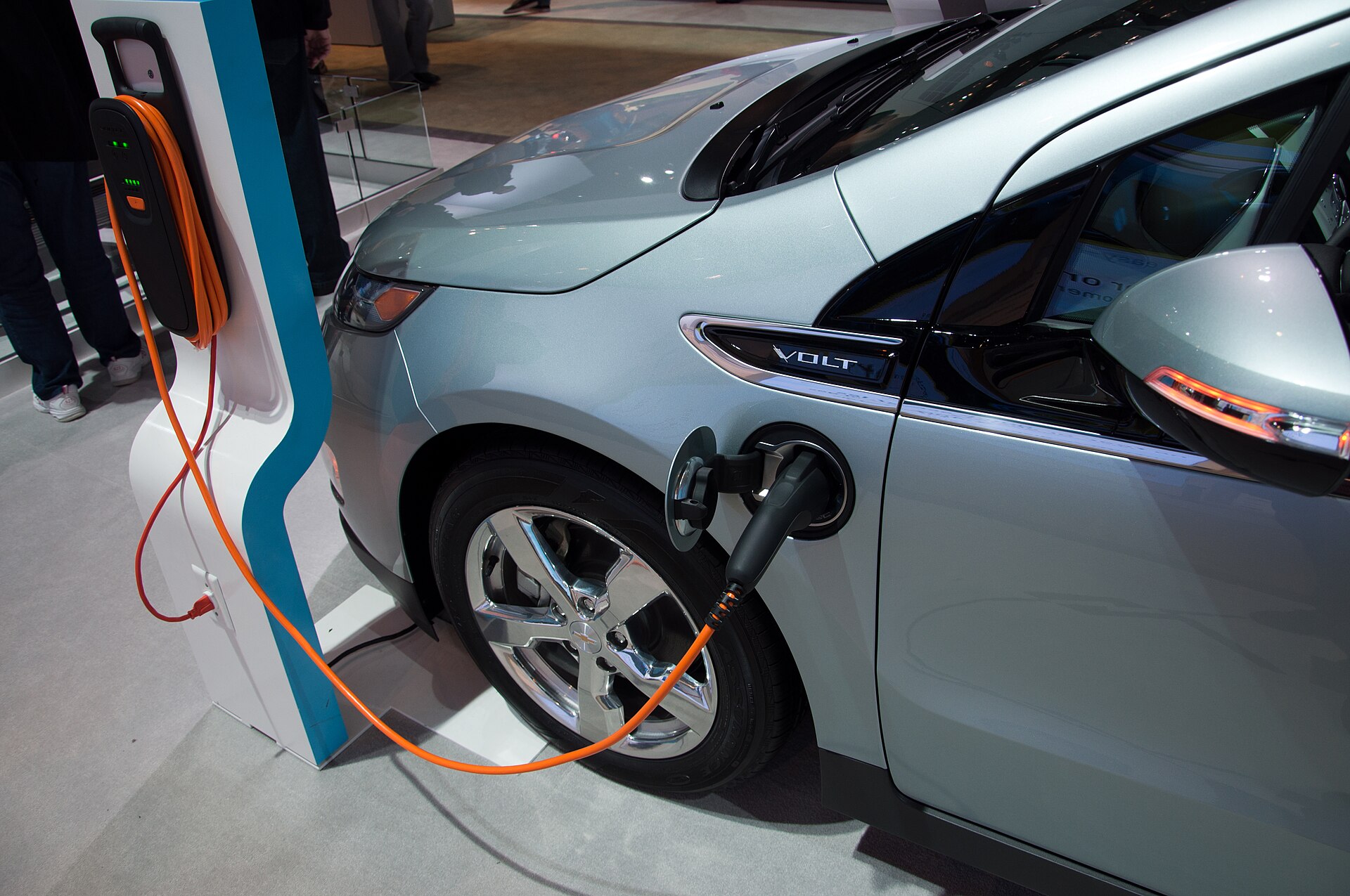
Gas Once a Month: My Silver Chevy Volt
I fell for it in 2010, bought one used in Washington years later, and drove it until a Tesla took its spot in 2024.
Scribe
· 3 min read · 0 comments · 1 view
I fell for it in 2010, bought one used in Washington years later, and drove it until a Tesla took its spot in 2024.
I fell for the Chevy Volt years before I owned one. In February 2010, almost a year before it went on sale, I was saving pictures of it into a photo album: the concept car on a billboard plugged into a giant wall outlet, close-ups of the charge port, Bob Lutz leaning on the hood, and GM's famous promise that the Volt would get 230 miles per gallon.
That number was always a bit of marketing magic. When the EPA finally rated the 2011 Volt, it came out at 93 MPGe on electricity, 37 mpg once the gas engine took over, and about 35 miles of driving on a full battery. That was less dramatic than 230, but it was still something no other car on the road could do. Motor Trend named the Volt its 2011 Car of the Year, calling it one of the most significant cars ever to win. GM's previous win had been the 2008 Cadillac CTS, which happens to be the red one I owned before it. Apparently I have a type.
Years later, after I moved to Washington, I finally got one: a used 2014 Volt in silver.
The 2014 was a sweet spot for the first generation. GM had cut its price by $5,000 that year, to $34,995, and the battery had grown to 16.5 kWh. The EPA rated it at about 38 miles of electric driving before the gas engine quietly switched on as a generator.
That design was the whole genius of the Volt. For everyday driving it was an electric car. For everything else it was a regular car, with no range anxiety and no planning road trips around chargers.
It was great for a long time. Most of my driving fit inside that battery, so the gas engine became almost an afterthought. I filled the tank about once a month, which is a strange and wonderful rhythm after years of watching gas prices.
It wasn't all smooth. For a stretch it nickel-and-dimed me, the way an aging car will: one repair, then another, never huge, never quite done. That's the trade you make with a used car, even a clever one.
The Volt was briefly the best-selling plug-in car in America in 2012 and 2013. Then buyers moved to crossovers and SUVs, and GM pulled the plug. The last Volt rolled off the line at the Detroit-Hamtramck plant on February 15, 2019, after about 160,000 were built. A lot of Volt owners still think GM retired it too early. The idea it proved, electric for daily driving with gas as a backup, is getting a second look from carmakers today.
Mine stayed with me until 2024, when I sold it and bought a Tesla Model 3. In a way the Volt did its job: it made going fully electric feel like the obvious next step.
Did you own a Volt? I'd love to hear how yours held up, how often you actually bought gas, and whether you'd go back to a plug-in hybrid today.
Photo: a first-generation Chevrolet Volt by qJake, CC BY-SA 2.0, via Wikimedia Commons. Mine was silver too.
Anyone can read. To reply, sign in or join: just an email link, no password.
 Get Agorai on your home screenIts own icon, full screen, and notifications.