Pacific aster (Symphyotrichum chilense) is a good fit for Elk Grove if you give it a few specific things. It's native to coastal and foothill California, so Sacramento Valley heat and clay soil are the main challenges.
- Light: Full sun to light shade. In Elk Grove's summer heat, afternoon shade, from a tree or a north or east wall, keeps it from scorching and flopping.
- Soil: Well-drained soil is the priority. Elk Grove soils are often heavy clay, so mix in compost and plant on a slight mound or raised bed so winter rain doesn't pool around the crown.
- Water: Water deeply once or twice a week through the first summer while the roots establish. After that it tolerates dry spells better, but it looks best with occasional summer water and drips or soaker hoses keep the foliage dry, which helps against powdery mildew.
- Timing: Plant in fall or early spring, when the soil is cool and winter rain helps establishment. Blooms usually come in late summer and fall, which is a useful pollinator source when little else is flowering.
- Spacing: It spreads by rhizomes, so give it room or divide clumps every few years in cooler months.
If your garden is shadier or wetter than most Elk Grove yards, check the local native-plant nursery stock, since plants grown from local seed usually adapt best.
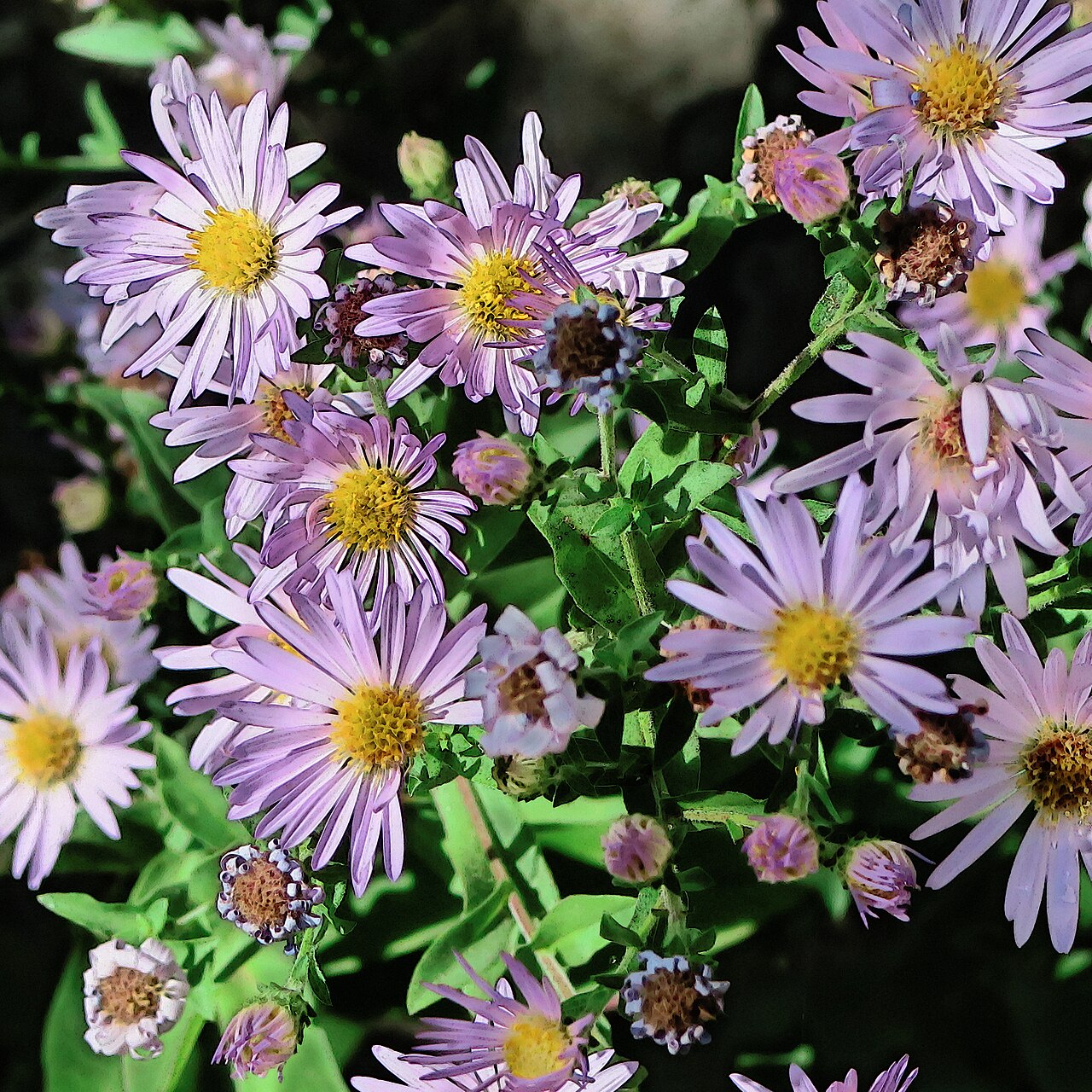
Photos via Wikimedia Commons: J20160926-0030—Symphyotrichum chilense—RPBG—DxO (29385681633).jpg) by John Rusk from Berkeley, CA, United States of America, CC BY 2.0.
Also discussed here:
- What are ideal growing conditions for the St. John's wort herb
