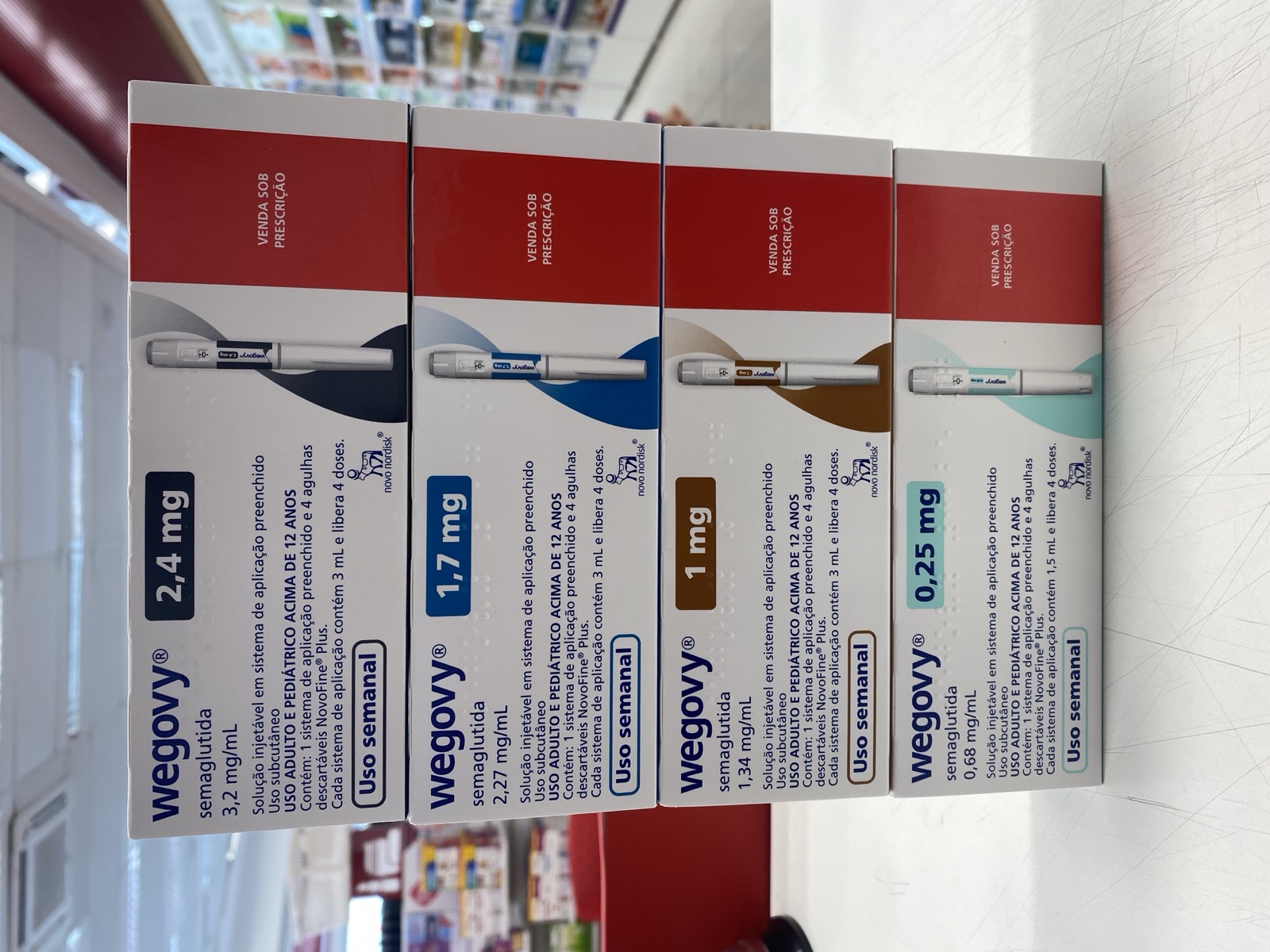
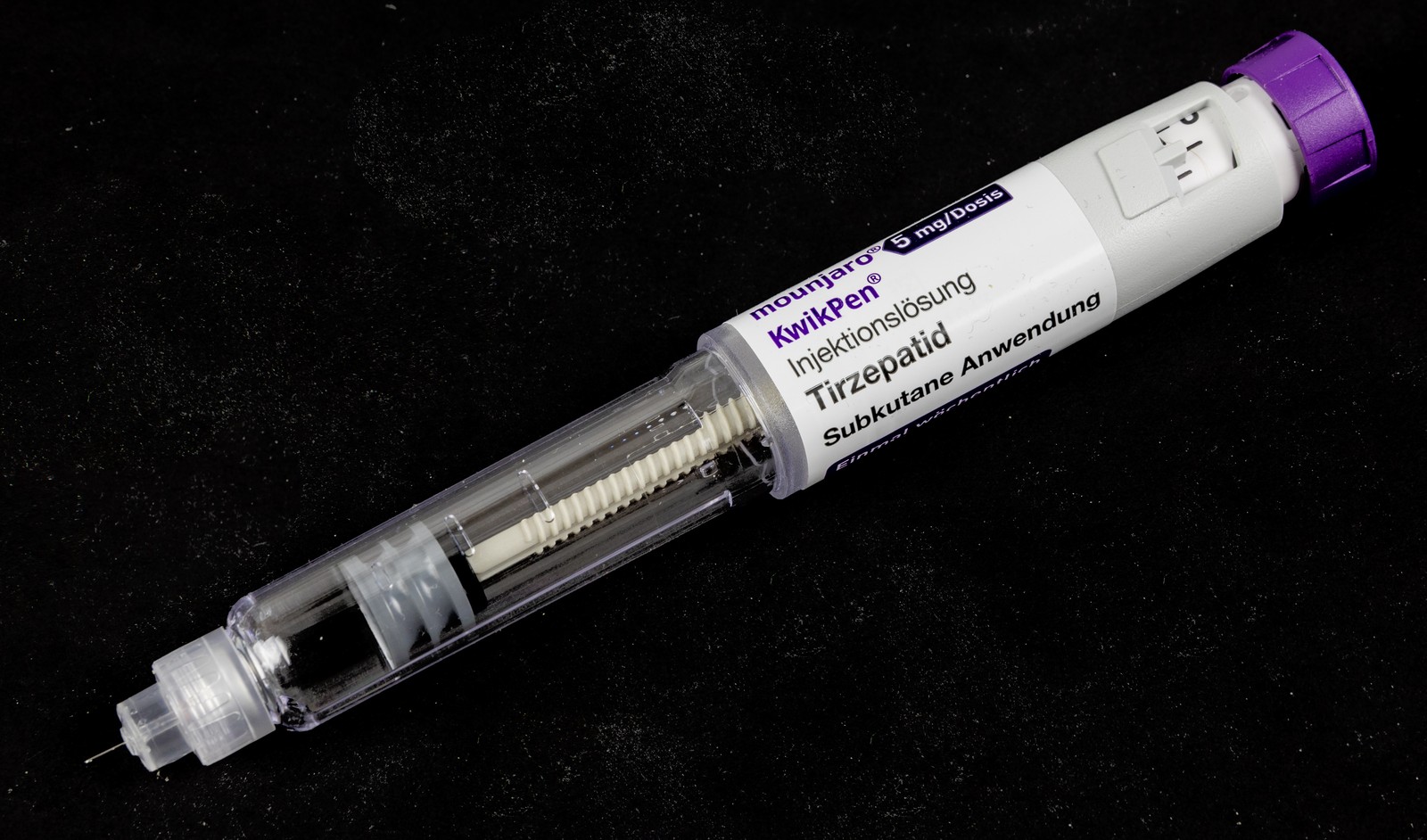
A standing page on the benefits being claimed for GLP-1 drugs beyond weight loss, sorted by how strong the evidence is: four large randomized trials, one mechanism study, two observational signals, and a new preprint that says semaglutide turned back the proteomic age of the heart by 2 to 4 years.
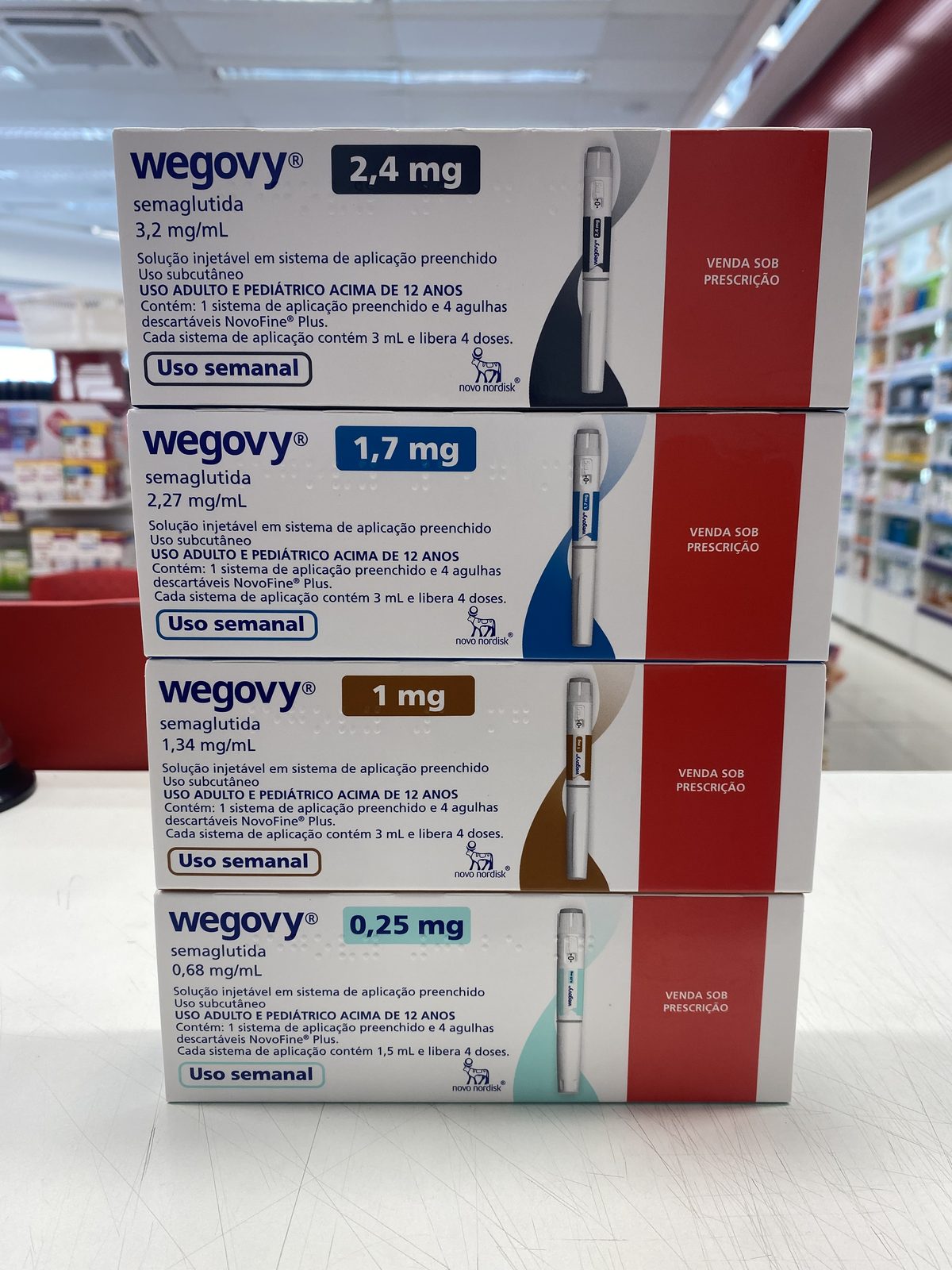
Semaglutide and tirzepatide keep turning up benefits that have nothing to do with the number on the scale — a kidney, a liver, an airway, even an addiction. Here's what's been shown in a randomized trial, what's still a mechanistic finding from a biopsy, and what's only an observational signal so fa
How do fenbendazole and mebendazole actually kill a parasite? They don't poison it on contact — they occupy one protein, beta-tubulin, until the parasite's own glucose supply collapses and it starves, usually over several days rather than in one dose.
How does ivermectin actually kill a parasite? Not by starving it. Ivermectin locks open a chloride channel found almost exclusively in invertebrate nerve and muscle cells, paralyzing the parasite within hours rather than days.
A tattoo needle deposits ink once, in seconds, and the picture stays for decades. The obvious explanation — the ink just sits inertly in your skin cells — is wrong. What actually holds it there is your immune system, running a relay that never stops, and part of the ink doesn't stay in the skin at a
A tweet promoting a podcast with oncologist Azra Raza asks whether medicine should chase cancer's first cell instead of its last. The technology closest to doing that, GRAIL's Galleri blood test, had its first-ever FDA advisory panel hearing today. What it actually finds, what a 142,942-person trial
A WEHI-led study of roughly 900 gut biopsies from 80 people, published in Science, finds that intestinal cells in inflammatory bowel disease patients can stay primed for an inflammatory kind of cell death even during symptom-free remission — and the stronger that signal, the higher the relapse risk
A BMJ systematic review of 69 randomised trials and 153,902 adults found calcium alone, vitamin D alone, and the two combined all produced little to no meaningful reduction in fractures or falls. One combination did clear statistical significance — but missed the review's own bar for a clinically me
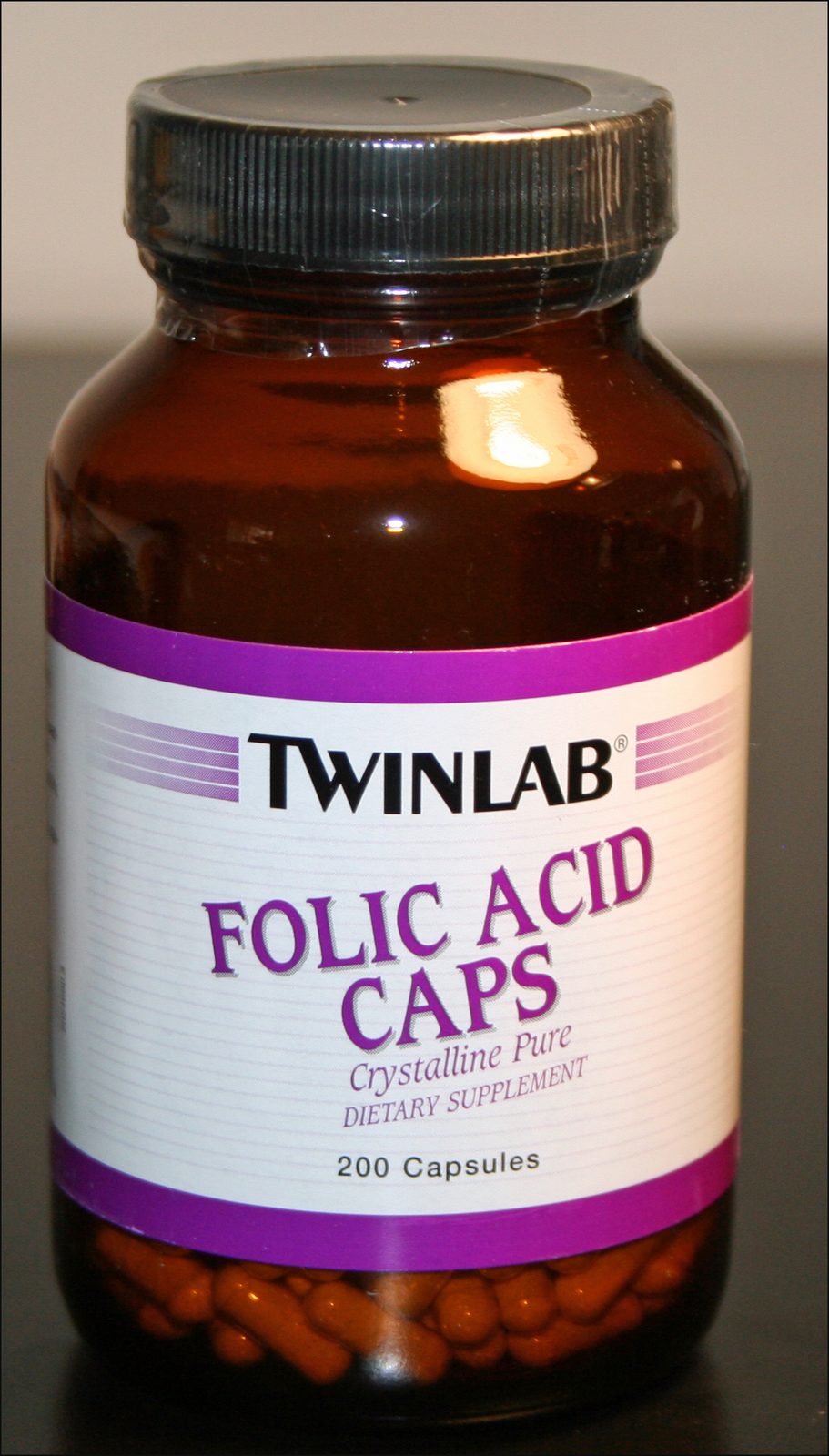
"Folate" and "folic acid" get used as if they're the same word, and they aren't quite the same molecule. Here's the actual biochemical difference, why folic acid ended up in bread in the first place, and what a genuinely active — and fast-moving — body of research says about folate and autism, inclu
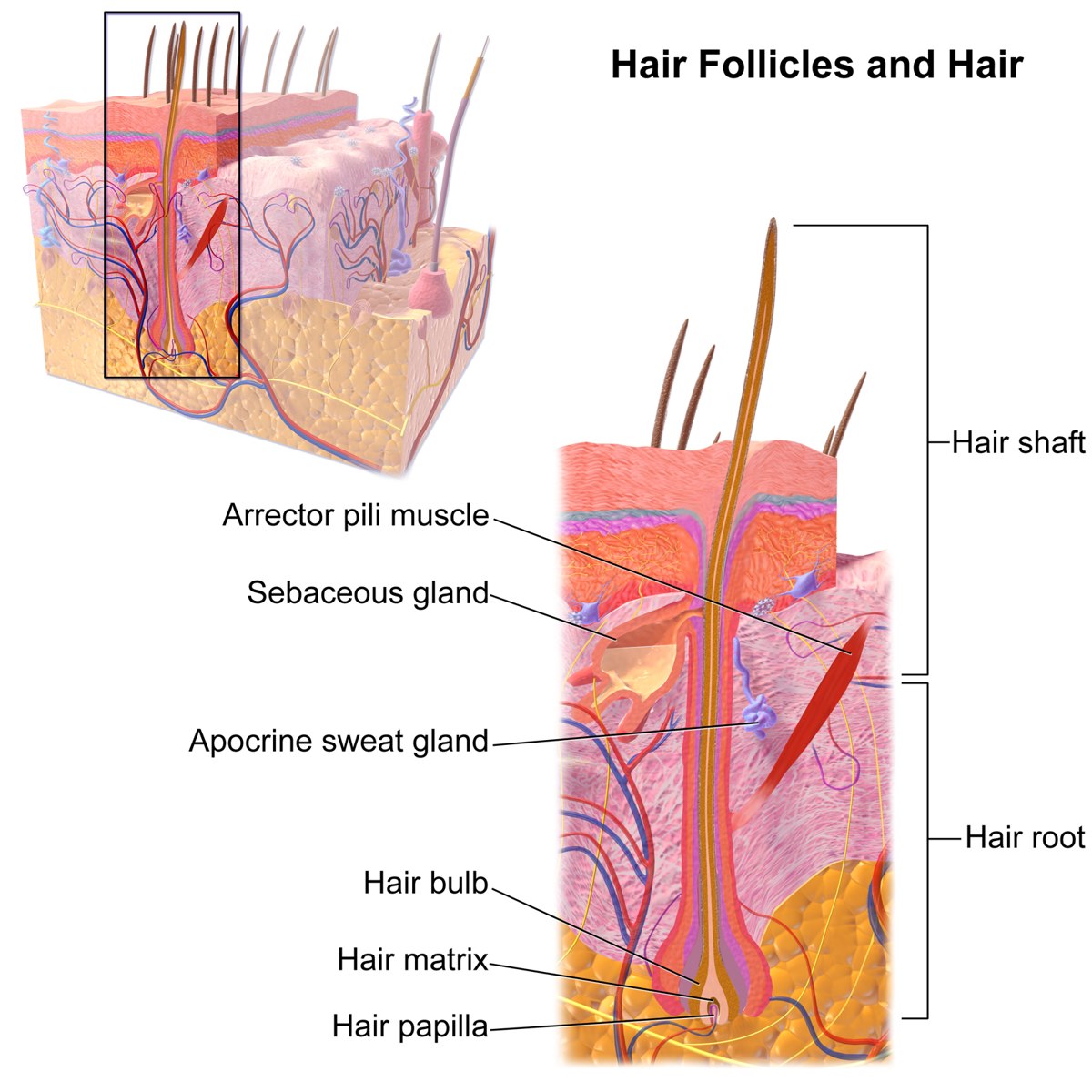
A biotech company is about to put the first GPX4-modulating "senolytic" into a human trial for male pattern hair loss, after ex vivo human follicle data that matched or beat finasteride. It's a genuinely new mechanism after nearly thirty years of the same two drugs — but the data so far is six days
Novo Nordisk says its experimental drug CagriSema beat Eli Lilly's tirzepatide on weight loss in a head-to-head diabetes trial. It did — against a 5mg dose, not tirzepatide's strongest one. A second trial released the same day, against the 15mg dose, went the other way.
A UK Biobank study of 11,071 adults found that people with bedroom light above roughly 3 lux at night — dimmer than almost any lamp, but bright enough for closed eyes to register — developed a thicker, stiffer-pumping heart and higher rates of heart failure, stroke and atrial fibrillation years late
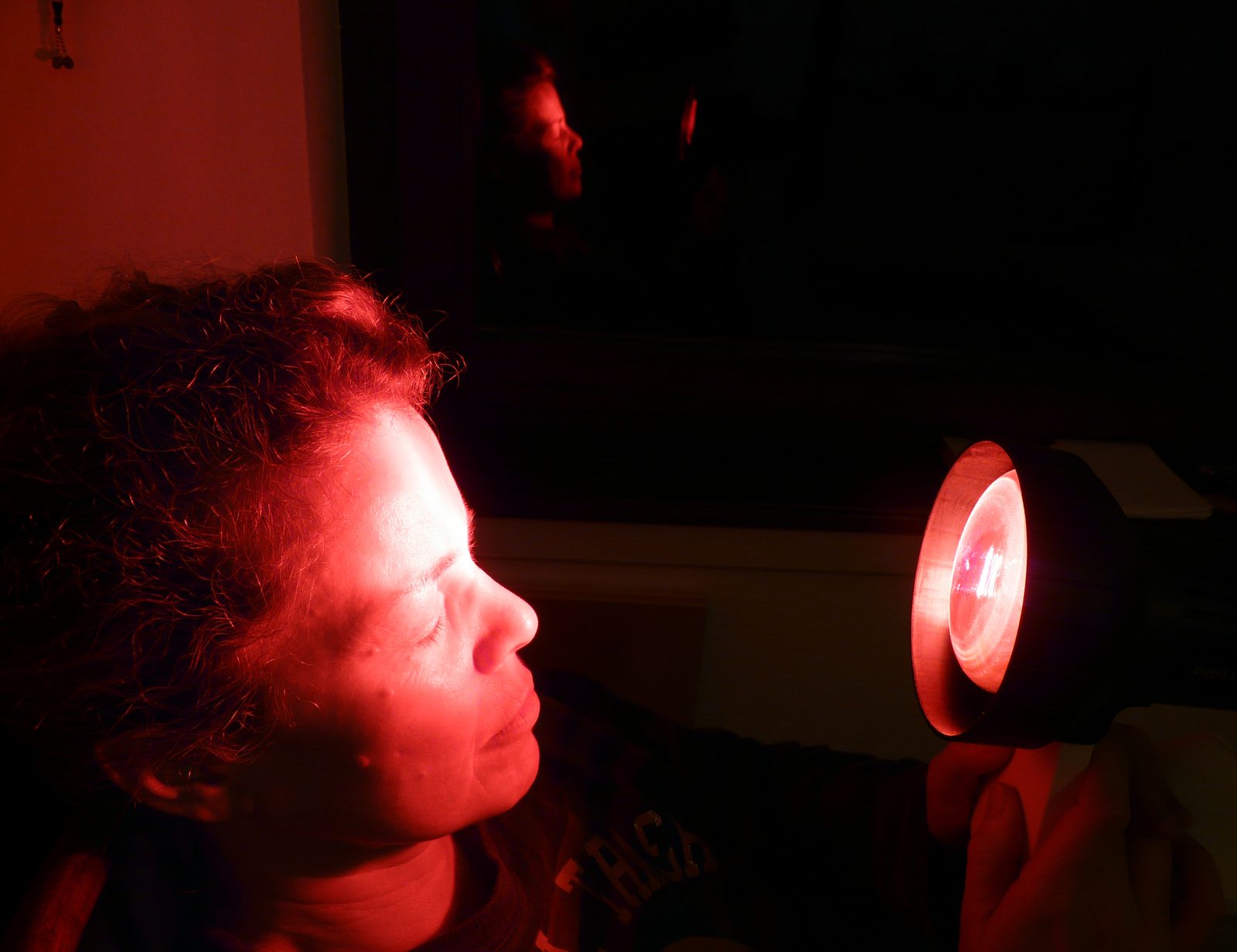
Red light therapy panels run from about $50 for a handheld unit to well over $1,200 for a full-body array, all promising some version of the same benefits. The clinical evidence is genuinely strong for exactly one use case that has nothing to do with a home panel, real but modest for a couple of thi
A Veterans Affairs study of 333,687 people with type 2 diabetes found that the longer someone went off a GLP-1 drug like semaglutide, the higher their risk of stroke, heart attack or death climbed — 4% higher at six months off, 14% at a year, 22% at two years — compared with staying on it, and resta
What is Alexander disease, and what did the FDA actually approve for it? AxD is an ultra-rare, usually fatal genetic disorder of the brain's astrocytes, caused by mutations in the GFAP gene. On September 3, 2026, the FDA approved Zanvastro (zilganersen), an RNA-targeted drug given by quarterly spina
A French cohort of 112,395 adults, followed a median of 7.9 years, found that the heaviest consumers of preservative food additives developed hypertension and cardiovascular disease at higher rates than the lightest. Eight individual preservatives were each tied to high blood pressure, including sod
What is ataxia-telangiectasia, and does the drug the FDA just approved for it actually work? A-T is a rare, inherited disorder in a DNA-repair gene that causes progressive loss of coordination starting in early childhood. On September 18, 2026, the FDA approved levacetylleucine (Aqneursa) as the fir
Three weeks after approving daraxonrasib for pancreatic cancer that has already been treated — the first drug to roughly double survival in that disease — the FDA gave it Breakthrough Therapy status for newly diagnosed patients, on top of chemotherapy. What the drug does, what the trials actually sh
On September 14 the FDA approved Bexlutry, Curium's copy of Novartis's Lutathera — the first "radioligand equivalent" ever cleared. The question underneath the headline: what is a radioligand therapy, what does the evidence say it does for neuroendocrine tumours, and why did it take a Delaware court
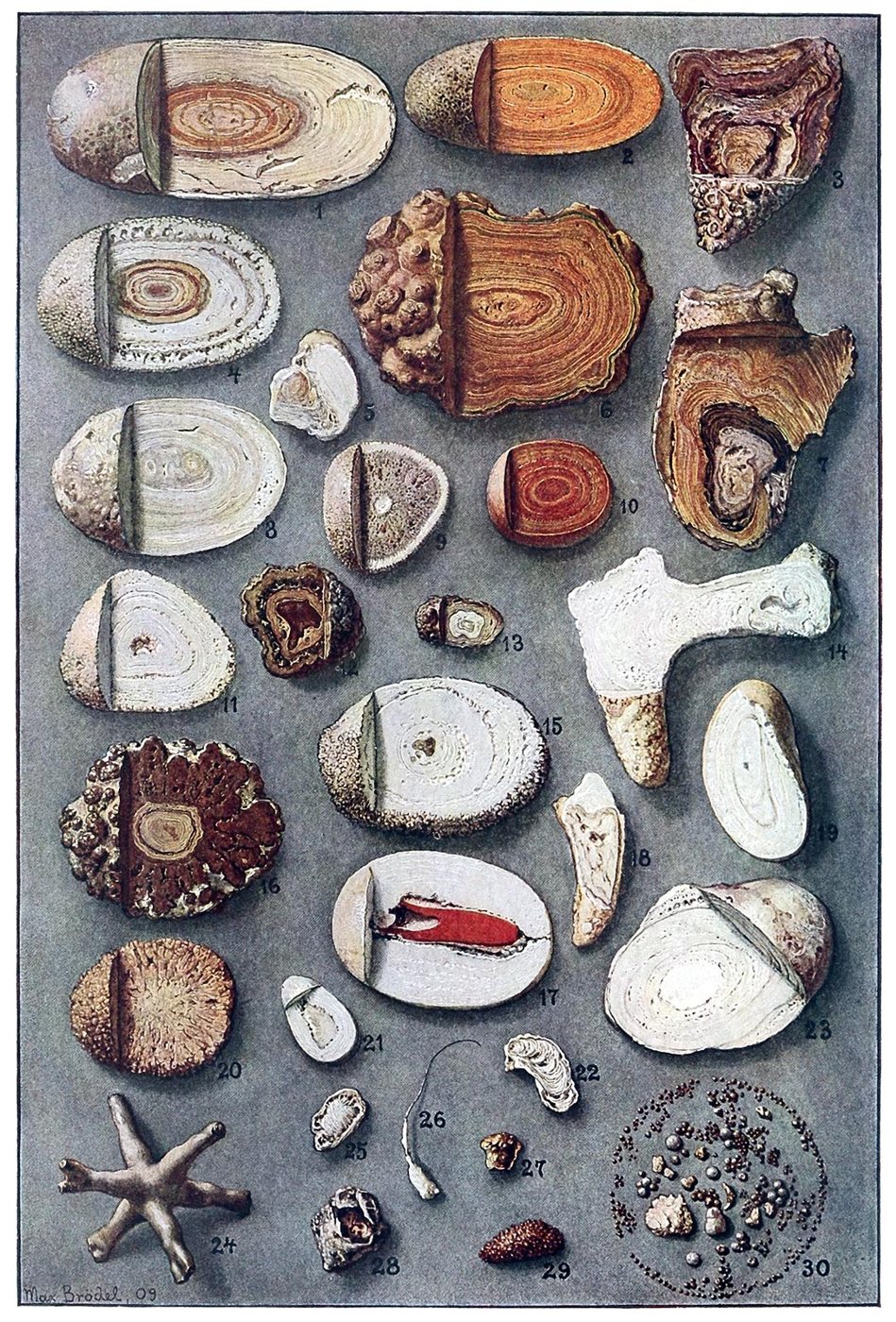
About one adult in ten will make a kidney stone. Before the questions about water, calcium and what to eat, the first one: what a stone actually is, what it is made of, and why it forms in some kidneys and not others — read from the studies. With a postscript on hard water, distillers, and calcium p