
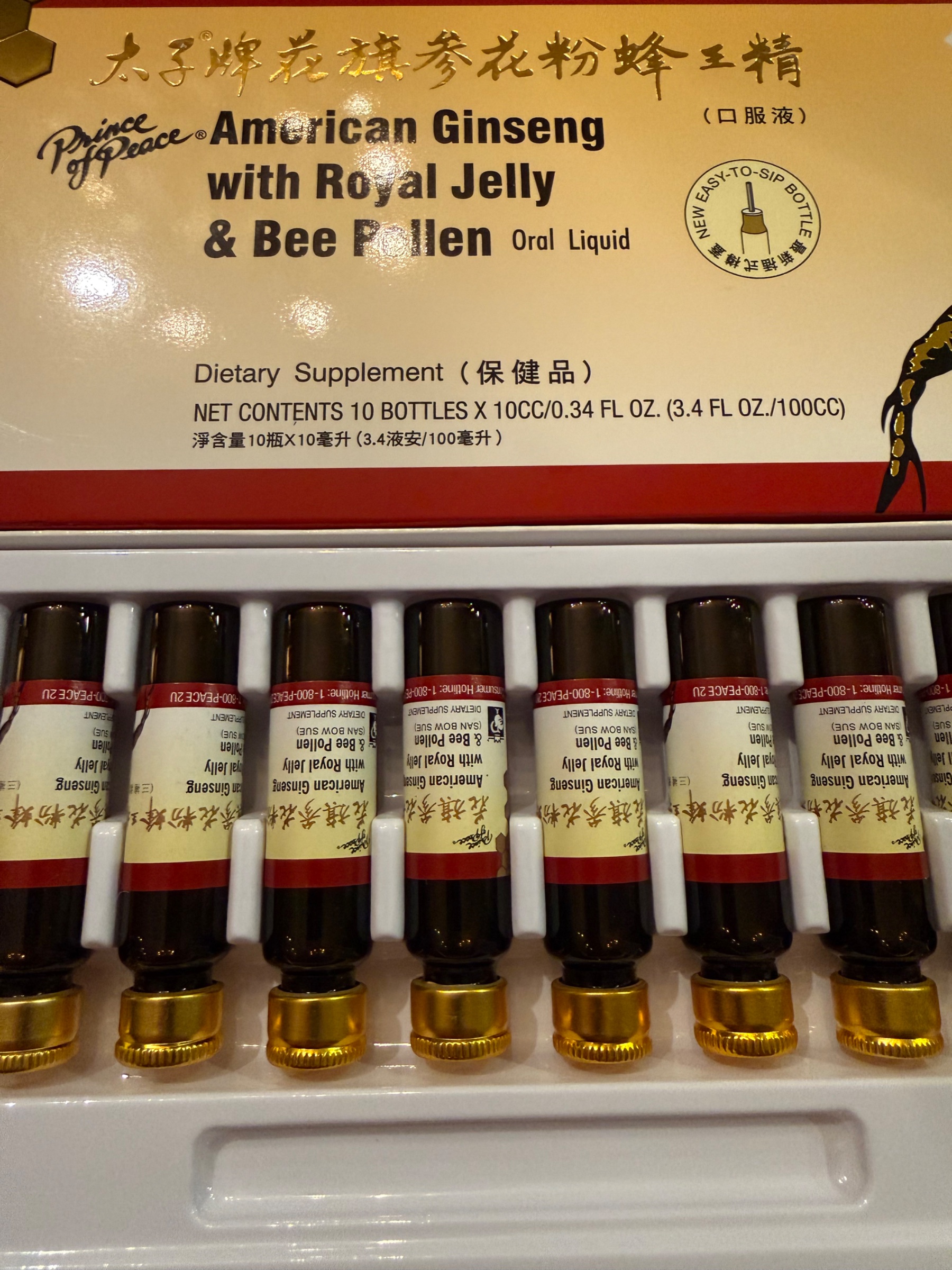
Bee pollen gets the 'health food' label mostly from its composition and from long traditional use, but the clinical evidence is thinner than the marketing suggests.
What's in it: Pollen collected by bees contains protein (often cited at roughly 10 to 40 percent by dry weight, varying widely by plant source), amino acids, B vitamins, minerals, and plant compounds such as flavonoids and phenolic acids. Those compounds are why researchers study it for antioxidant activity.
What the evidence shows: Most studies are laboratory or animal work, or small human trials with short follow-up. Lab antioxidant activity does not reliably translate into health benefits in people. Claims about energy, immunity or longevity are mostly suggested, not shown.
Caveats: Bee pollen can trigger allergic reactions, sometimes severe, especially in people with pollen or bee-product allergies. It is also not regulated like a drug, so product contents vary.
The bottle in your photo is a dietary supplement: American ginseng with royal jelly and bee pollen, an oral liquid sold as 10 bottles of 10 cc each. If you have allergies, asthma, or take medication, talk to your doctor about your situation before starting it.
Has anyone here seen good human trial data on bee pollen, as opposed to lab studies?
Also discussed here:
- Why is Royal Jelly considered a health food?
- Why is Ginseng considered a health food?
